Our Mission
We exist to remove plastic from Tampa Bay's coastlines, protect marine life, and build a community of ocean stewards — one cleanup at a time.
To keep Tampa Bay's coastlines free of plastic — for the sea life that depends on them and the communities that love them.
Three pillars of action
Every CoastalCleans event, partnership, and decision traces back to one of these three commitments.
Clean
Direct action — gloves, bags, and hard work. We organize and run hands-on cleanup events that measurably reduce plastic on Tampa Bay's shores. Every pound removed is a pound that won't enter the ocean.
Protect
Marine life can't speak for itself. We advocate for sea turtle nesting zones, manatee habitats, and responsible coastal development. Our data from cleanups informs local environmental policy conversations.
Educate
Long-term change requires understanding. We run school programs, tabling events, and social media campaigns that connect plastic pollution to everyday choices — and show what everyone can do about it.
Why plastic on our shores matters
The marine plastic crisis is measurable — and so is what happens when communities show up to fight it. These numbers are why we do this work.
Sources: NOAA Marine Debris Program · U.S. EPA Trash Free Waters · NOAA Marine Debris — Ingestion
Plastic never fully disappears
Once plastic enters the ocean, it only breaks into smaller and smaller pieces — microplastics that enter the food chain at every level.
Documented threat level by species group
Based on NOAA Marine Debris Program research on plastic ingestion and entanglement.
Data: NOAA Marine Debris Program — Ingestion · NOAA Ocean Service — Guide to Plastic in the Ocean
Why Tampa Bay is ground zero
Plastic pollution doesn't start in the ocean — it starts on land. Tampa Bay's coastlines sit at the end of a 2-million-person watershed, making local cleanups one of the most effective interventions possible.
-
~80% of ocean plastic begins on land
Litter from Hillsborough County streets flows through storm drains → Hillsborough River → Tampa Bay → Gulf of Mexico. Shoreline cleanups intercept it before it disperses.
-
2 million+ people in the watershed
Tampa Bay's watershed covers Hillsborough, Pinellas, Manatee, and Pasco Counties. Every resident is upstream of the bay — and every action (or inaction) reaches it.
-
Single-use plastic is the primary target
The Tampa Bay Estuary Program's Trash Free Waters initiative identified reducing single-use plastics as the #1 strategy for the Tampa Bay watershed — the same category we collect most in cleanups.
-
Cleanups are the most cost-effective intervention
Removing plastic from shores before it breaks into microplastics in the water is far more effective than trying to filter the open ocean. That's what we do — at the source.
The Tampa Bay watershed is watching
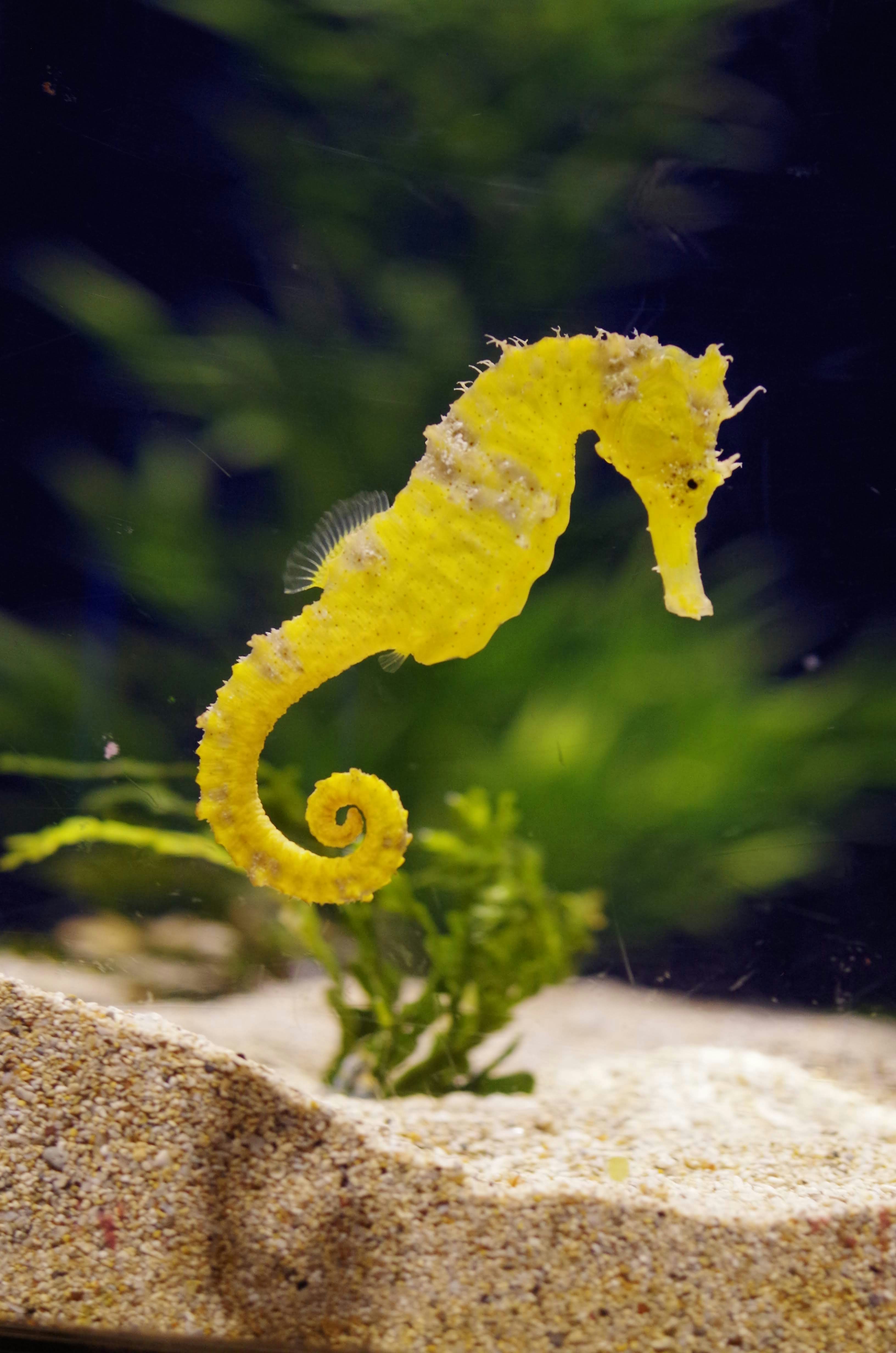
Tampa Bay is one of Florida's most ecologically significant estuaries — home to sea turtles, West Indian manatees, bottlenose dolphins, seahorses, and hundreds of bird species. Its seagrass meadows and mangrove shorelines depend on clean water.
Since 2019, the Tampa Bay Estuary Program (TBEP) has operated a federally supported Trash Free Waters initiative, deploying 12 litter collection devices across Hillsborough, Pinellas, and Manatee Counties. Their data confirms what CoastalCleans sees firsthand: plastic dominates, and local action works.
The data TBEP gathered from Tampa Bay has already been used to build a Litter Management Plan Template adopted by other Gulf communities — proving that what happens here echoes far beyond our shoreline.
Source: Tampa Bay Estuary Program — Trash Free Waters · NOAA Ocean Pollution Resource Collection
Join the mission
Whether you volunteer, donate, or spread the word — every action protects the coast.
Get Involved